John Newton
Slave, slave trader, and abolitionist — the life behind «Amazing Grace».
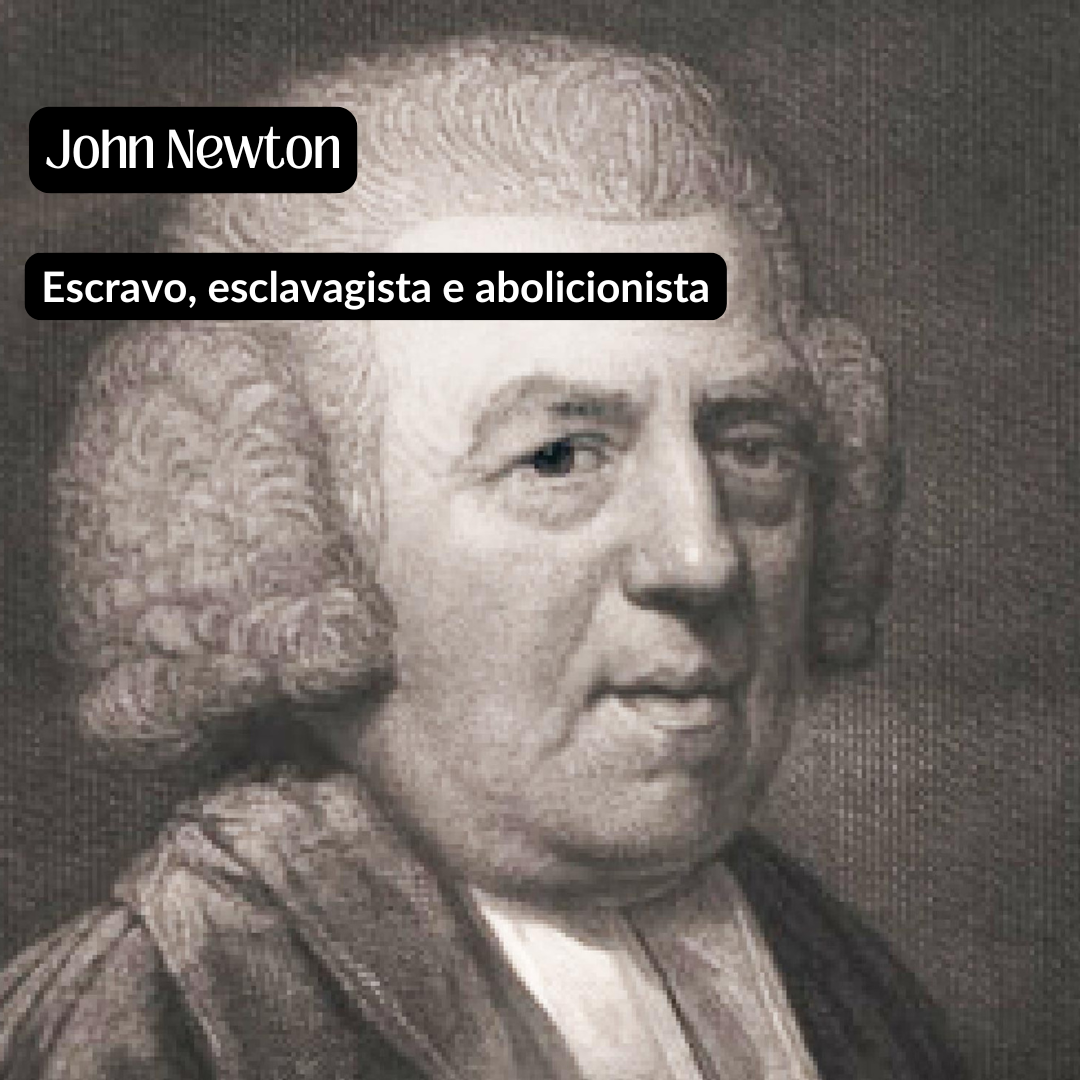
Born in London, he lost his mother at the age of six and started working at sea while still very young. In 1745, he worked on his first slave ship. Due to his indiscipline, he was handed over as punishment to a local slave trader in West Africa, where he was enslaved and subjected to mistreatment for two years.
In 1748, he was rescued by a British ship sent by his father. During the voyage, in the midst of a violent storm, Newton cried out to God for mercy, and the storm subsided, marking the beginning of his spiritual journey.
Two years later, he took command of the ship Duke of Argyle, becoming a slave trader, transporting enslaved people from Africa to the Americas.
Four years later, after a severe health crisis, Newton decided to leave the slave trade. He worked as a customs officer and deepened his Christian faith. In 1764, he became an Anglican pastor. In 1772, he wrote «Amazing Grace».
Thirty-four years after leaving the slave trade, Newton broke his silence. In 1788, he published the pamphlet «Thoughts Upon the African Slave Trade», in which he condemned the trade and confessed his regret.
«I cannot look back without trembling… My guilt seemed to commence before I was aware of it.»
In the final years of his life, he became a fervent abolitionist, joining forces with William Wilberforce, the leader of the movement for the abolition of slavery in the British Empire.
Newton lived to see his goal achieved. On 1 May 1807, the British Parliament abolished the slave trade. Newton died on 21 December of the same year. «Amazing Grace» became one of the most iconic hymns in the world, echoing Newton’s journey: the transformative power of divine grace that saved «a wretch like me.»
«I am not what I ought to be, I am not what I want to be, I am not what I hope to be in another world; but still, I am not what I used to be. By the grace of God, I am what I am.»